UK Accredited Fellowship in Emergency Medicine: Why It Matters in Today’s Competitive Medical Ecosystem
.png) |
| UK Accredited Fellowship in Emergency Medicine |
A UK accredited Fellowshipin Emergency Medicine is becoming increasingly valuable for doctors who want to
build a strong, practical, and future-ready medical career. In today’s
healthcare environment, a degree alone is often not enough to stand out.
Hospitals, employers, and healthcare systems now look for doctors who can think
quickly, perform under pressure, and manage patients in critical situations
with confidence. This is exactly where a UK accredited fellowship creates a
real advantage.
Emergency Medicine is one of
the most dynamic and high-pressure branches of healthcare. Doctors in this
field deal with trauma, cardiac emergencies, strokes, respiratory distress,
sepsis, poisoning, and many other urgent conditions. These cases require fast
assessment, clear judgment, and immediate action. A fellowship in Emergency
Medicine helps doctors develop these abilities in a structured and clinically
useful way.
What makes the UK accredited
version even more meaningful is the trust associated with UK medical standards.
Accreditation suggests that the program is designed with a strong educational
framework, clinical relevance, and quality-focused training. For doctors, this
adds credibility to their profile and makes the fellowship more respected in
both local and international settings.
Advantage in a Competitive
Medical Market
The medical profession has
become highly competitive, especially for MBBS graduates and young doctors who
want to build a distinct identity early in their careers. Many candidates may
have similar basic qualifications, but not everyone has specialty training that
directly prepares them for real emergency care. A UK accredited Fellowship in
Emergency Medicine helps fill that gap.
This kind of training shows
that a doctor has gone beyond general medical knowledge and invested in a field
that is both demanding and essential. That can make a major difference when
applying for hospital roles, emergency department positions, acute care jobs,
or higher clinical opportunities. It sends a clear message: the doctor is not
only qualified but also trained for action in critical situations.
Clinical Growth and Practical
Skills
One of the strongest
benefits of this fellowship is the development of practical emergency skills.
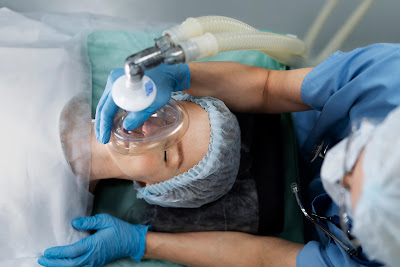
Doctors learn how to evaluate patients quickly, stabilize unstable cases,
manage airway emergencies, perform resuscitation, and respond to time-sensitive
conditions. These skills are not just theoretical; they are directly useful in
day-to-day hospital practice.
The fellowship also builds
confidence. Many young doctors know the theory of emergency care but may feel
unsure in real-life situations where every second matters. With proper
training, they learn how to make decisions more calmly, work with urgency, and
support patients more effectively. This kind of confidence is a major part of
clinical growth.
Teamwork and Professional Maturity
Emergency Medicine is never
a one-person job. It requires close coordination with nurses, intensivists,
surgeons, anesthesiologists, and other specialists. A UK accredited fellowship
helps doctors understand how to function as part of a fast-moving clinical team.
It improves communication, leadership, and the ability to stay organized under
pressure.
These professional skills
are important because emergency care often involves multiple departments
working together at once. Doctors who can lead, communicate clearly, and
maintain control in stressful moments are often better equipped for long-term
success. That is why this fellowship is not only about medical knowledge, but
also about becoming a stronger clinical professional.
Career Opportunities After
Completion
A Fellowship in Emergency
Medicine can open several career paths. Doctors may work in emergency
departments, trauma centers, urgent care units, hospital-based acute care
teams, or international healthcare settings. It can also support future roles
in teaching, academic medicine, and advanced specialty training.
For doctors who want a
career with both immediate impact and long-term value, this fellowship offers a
strong foundation. It helps them build a specialized profile that is useful in
today’s evolving healthcare system, where emergency and acute care skills are
always in demand.
The modern medical ecosystem
values speed, skill, and adaptability. Patients are arriving with more complex
emergencies, and hospitals need doctors who can respond effectively from the
very first minute. A UK accredited Fellowship in Emergency Medicine prepares
doctors for exactly that kind of environment.
It is meaningful because it
combines clinical training, professional credibility, and career flexibility.
For aspiring doctors, it is not just an additional qualification. It is a
practical step toward becoming a more capable, confident, and respected
emergency physician.
In conclusion,
Fellowship in Emergency Medicine and Fellowship in Critical Care, helps in
trauma and emergency situations is a complex and multifocal endeavor. Swift
assessment, efficient stabilization, and a coordinated approach are essential
to improve patient outcomes. Healthcare professionals in these settings must be
well-prepared, trained, and equipped to deliver life-saving interventions to
enhance our ability to save lives in these high-stress situations.


Comments
Post a Comment